
Blog
Plan a weekend outdoors without packing the schedule
Choose one main activity, allow for the ordinary logistics, and write a backup plan the group can actually use.
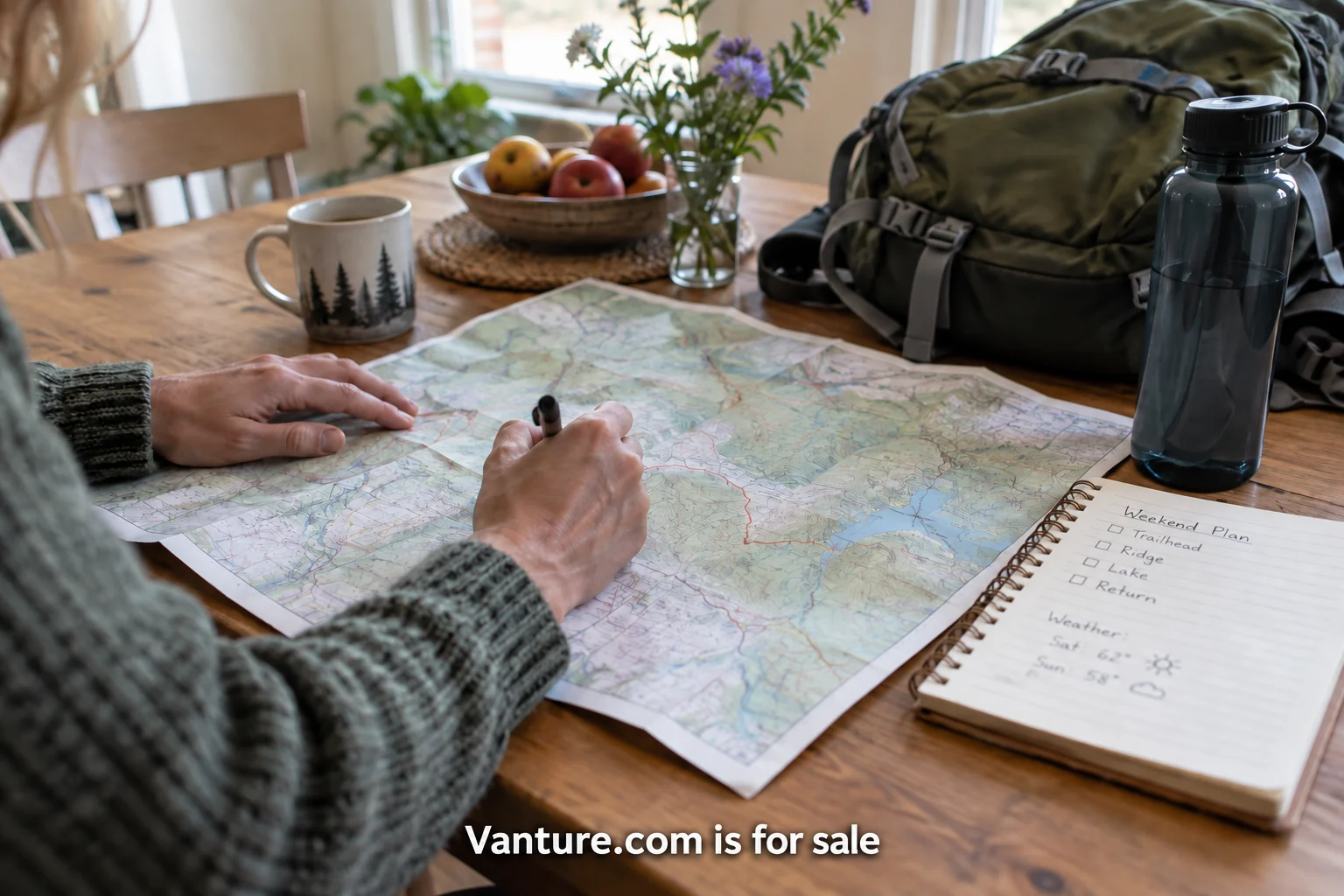
A weekend outdoors can become crowded before anyone leaves home. There is the route someone saved months ago, a restaurant another person wants to try, and the scenic stop that looks close on the map. Put them together and the trip starts to resemble a list of appointments.
A more manageable plan begins with the time you actually have. Choose one main activity, make the arrival and departure realistic, and give the group a usable alternative. The aim is a weekend that people can enjoy at their own pace, with enough preparation to make ordinary decisions easier.
Start with the edges of the weekend
Write down when everyone can leave and when they need to be home. Include the time needed to pack, collect equipment, buy food, and return a rental car if one is involved. A Friday departure after work is different from a full day available for travel, even when both are described as a three-day weekend.
Ask each person about a constraint before discussing attractions. One may need a reliable connection for a short call. Another may be uncomfortable driving after dark. Someone else may want a private room or an accessible path. These are planning inputs, and learning them early is easier than trying to rearrange the trip after bookings have been made.
Then agree on one sentence that describes the weekend. It might be a comfortable base with one scenic walk, or two nights camping near an easy day route. That sentence becomes a filter. When a new suggestion appears, ask whether it supports the weekend the group chose or makes the plan harder to carry out.
Pick the main activity before filling the gaps
Choose an activity the whole group can assess using current, specific information. A route's distance is only one part of that assessment. Surface, elevation, exposure, access, and the conditions expected at the time all matter. Use the responsible land manager's information for the actual location rather than relying entirely on a photograph or an old trip report.
The National Park Service trip planning guide recommends checking conditions and preparing an alternative activity. It also encourages checking again on arrival. For a park visit, look for the park's current alerts and ask staff about anything that is unclear. A general itinerary should be revised when local information changes.
Leave room around the activity. The time between parking and starting may include finding a restroom, adjusting packs, and understanding the route. The time after returning may include food, wet clothing, and a longer drive than expected. Treat those transitions as part of the outing, not as empty space that needs another attraction.
Make the accommodation decision support the route
Compare where you will sleep with where you intend to start the day. A less expensive room can become a poor fit if it adds substantial driving in both directions. A campsite may be appealing but require equipment or arrival arrangements that the group has not considered.
Read the practical details before booking: check-in window, parking arrangements, food storage requirements where relevant, and the cancellation terms. Save the address and arrival instructions somewhere available offline. If a host needs notice of a late arrival, resolve that before the departure day.
For a first weekend, convenience may be worth more than squeezing in a second destination. Staying in one place can simplify packing and let the group spend its attention on the main activity. There will be other weekends for the places that do not fit this one.
Give the alternative a real shape
A backup plan should be something the group would willingly do. Simply writing 'find something else if it rains' leaves the same research problem for later, usually when people are tired or disappointed. Choose the alternative in advance and check its opening hours, access, and suitability too.
The alternative may be a different outdoor activity when conditions allow, an indoor visit, or a shorter day near the accommodation. It may also be postponing the outing. The decision should follow the actual conditions and the group's ability, not the amount of effort already spent planning.
Agree on who checks the latest information and when the group will decide. For example, review conditions before leaving home and again before starting the main activity. This is an organizational habit rather than a prediction that conditions will remain stable. Everyone should understand that the plan can change.
Pack for the chosen activity
Lay out equipment against the route and expected conditions instead of packing from memory. The NPS Ten Essentials provides a useful set of categories, including navigation, extra clothing, illumination, food, water, and emergency shelter. Its guidance also notes that activities may call for additional equipment.
Use that list as a prompt to inspect what you have. Check that lights work, maps are available, and everyone knows which shared items they are relying on. A borrowed item deserves the same attention as a new one. If nobody in the group knows how to use a piece of equipment, work that out before the trip or reconsider the activity.
Keep the departure morning simple. Put the items that will be needed first where they can be reached, and separate travel clothes from the equipment required for the outing. Decide who brings shared food and who carries group items. This avoids both accidental duplication and the familiar discovery that everyone assumed someone else had packed the same thing.
Write a plan that fits on one page
A short trip sheet can bring the useful details together. Include the names of the travelers, accommodation address, intended route, transport arrangements, and expected return. Add the official information links used during planning and the date they were checked. Keep booking references in a place the group can access without depending on one person's phone.
Share the route and return details with a trusted contact who is staying behind, following the approach described in the NPS guide. Agree on what to do if you do not return as expected. If the itinerary changes, update that person rather than assuming they will hear from someone else.
The page should be readable quickly. Put the essential details near the top and leave optional stops at the bottom. A long document may be useful during research, but the final plan should help someone find the next piece of information when the group is already on the move.
An example with room left over
Imagine a group leaving Friday evening for two nights near a park. Friday's plan is simply travel, check-in, and food. Saturday has one main walk, with a shorter option researched in advance. Dinner stays flexible because the group does not know exactly when it will finish or how much energy it will have.
Sunday begins with breakfast and packing. A nearby stop is optional if everyone is ready and the return timing allows it. There is no second major activity that forces the group to rush. This is an illustrative schedule, not a recommendation for a particular destination or set of conditions.
Notice what the plan makes easy: there is a clear main event, an alternative, and a way home that does not depend on every minute going perfectly. The blank spaces are useful. They can absorb a slow start, a conversation, or the wish to stay somewhere a little longer.
Finish with one check, then go
Before departure, confirm bookings, local advisories, the equipment list, and the shared plan. Resolve the questions that affect access or suitability. Leave the small choices that can comfortably be made later, such as where to stop for a snack.
After the weekend, note what took longer than expected and what the group could have skipped. Those observations are better inputs for the next trip than a larger list of attractions. Start now with a one-page plan, one main activity, and a backup that everyone understands.